

The surprising power of breathing through your nose
By Kathy McDonald. Last updated July 15, 2026
It felt like every part of my life improved after I started using nasal strips at night, from my sleep to my mental health. That may not be a coincidence. Nose breathing is a superpower hidden on the front of your face.
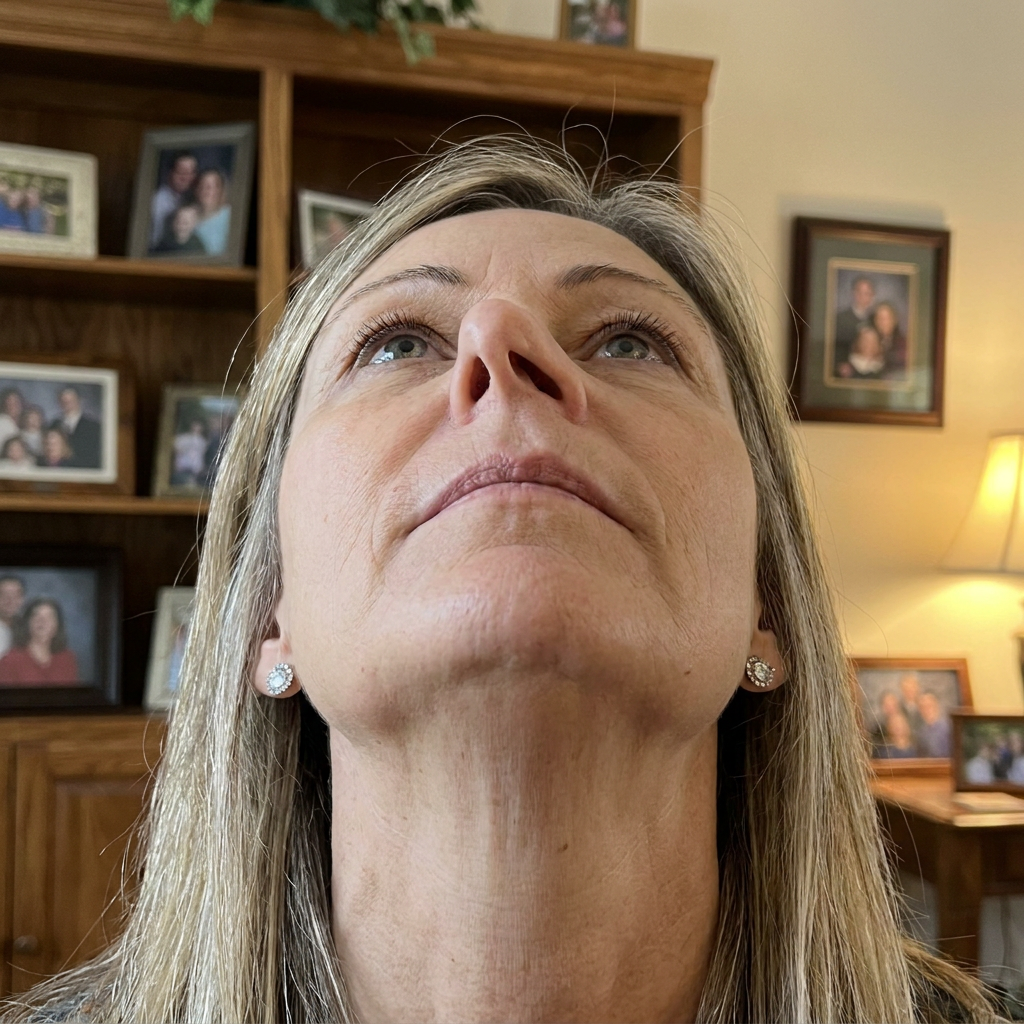
For as long as I can remember, each breath felt like preparing for a swim underwater, a hard suck of air that never quite filled my lungs.
Often I'd walk around with a faint whistle in my nose, praying that no one could hear it.
The worst problem was a minor disability that most people refused to believe was real:
something about the cruel architecture of my face made it physically impossible to blow my nose. The world was a constant sniffle.
Life cursed me with a deviated septum. My right nostril was blocked on the best of days, and I'd wind up breathing through my mouth at the slightest hint of allergies.
The nasal troubles even contributed to my sleep apnea, a breathing condition that makes you wake up multiple times at night, which apparently leaves you more likely to die of any cause.
Wasn't Ready For Knife
My doctor suggested surgery. I wasn't ready to go under the knife. I wanted to try something simpler first.
Then a friend mentioned nasal strips, not the flimsy pharmacy ones that peel off by 3am, but Nordicalm.
Wider than anything I'd seen.
An adhesive engineered to hold through eight hours of sleep without lifting, without leaving residue, without ripping skin on removal.
I tried one. I didn't expect much.
The next morning I lay in bed for a moment before getting up, something I never did, just noticing how different I felt.
Rested. Actually rested. The fog wasn't there.
Within a week I was sleeping through the night for the first time in years.
But what surprised me most wasn't the sleep. It was everything else.
My anxiety was lower. My focus was sharper. I felt calmer during the day in a way I couldn't fully explain.
My husband noticed before I did. He said I seemed lighter. Like a version of me he hadn't seen in a long time.
It turns out none of this is a coincidence.
Your nose isn't just for breathing, it's a superpower hiding on the front of your face.
According to Jacquelyn Callander, an ear, nose and throat doctor at the University of California, San Francisco,
those turbinates inside your nose are your body's primary mediator for warming and humidifying incoming air.
But their job goes further than that. Together with your nose hairs, they sift through dust, bacteria and viruses with every breath.
"They can be the first line of defence for your immune system," Callander says. It's an advantage you simply don't get when you breathe through your mouth.
"It's simple. Your nose is for breathing and your mouth is for eating." – Ann Kearney
And the consequences of mouth breathing go beyond immunity.
"There's a lot of research that associates mouth breathing with oral health problems,"
says Ann Kearney, a speech-language pathologist at Stanford University Medical Center who studies sleep and swallowing issues.
Mouth breathing increases acidity and dryness in the mouth, linking it to cavities, demineralisation of the teeth and gum disease.
But the most damaging effects happen at night.
Most healthy people breathe through their noses when they sleep.
But those with obstructed noses, deviated septums, enlarged turbinates, congestion, open their mouths in a nocturnal quest for air.
And when the mouth opens, the tongue rolls toward the throat.
Kearney explains you can feel this yourself, let your mouth hang open right now and slacken the muscles in your face.
You'll notice your tongue shifts back, narrowing your airway. That restriction causes snoring.
And in more serious cases, it contributes to sleep apnea.
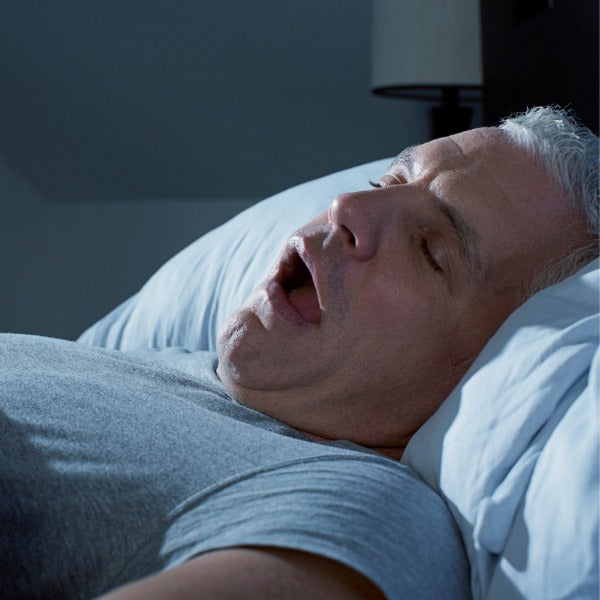
Sleep apnea affects an estimated one billion people worldwide — as much as 50% of the population in some countries.
At best it worsens your quality of life. At worst, its effects may be as dramatic as an early death.
"It's simple," Kearney says. "Your nose is for breathing and your mouth is for eating."
That sentence stopped me when I first read it. Because for years I'd been doing it the wrong way — every single night, for eight hours, without knowing it.
But the part most people never hear about is what nasal breathing does to your brain.
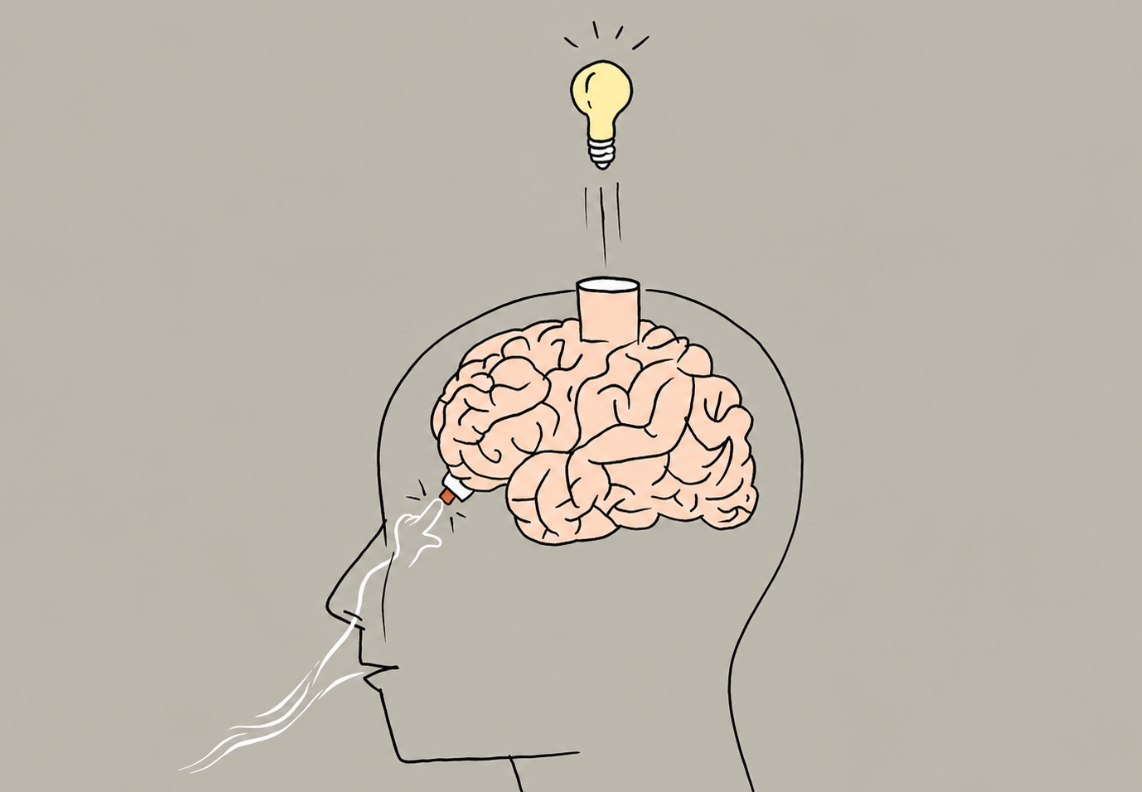
Nasal breathing triggers the olfactory nerve, apparently even when there's nothing to smell, which synchronises electrical activity across different areas of the brain including the amygdala and the hippocampus.
The regions that regulate emotion, memory and behaviour.
Nasal Breathing Benefits
Research shows nasal breathing lowers blood pressure and heart rate, activates the parasympathetic nervous system and slows brain waves across the entire cerebral cortex — a calmer, more restored state of mind.
Studies have shown it improves memory function, reaction time and cognitive performance.
Every night you sleep with your mouth open your brain misses all of that. The sleep cycles don't complete. The brain doesn't detox. The repair doesn't happen.
And in the morning you wake up tired, blame everything else, and start the cycle again.
Almost every part of my life has improved in the months since I started breathing properly at night. That includes my mental health. My anxiety has lessened. I'm more able to focus. My mood is steadier. My mornings are different.
It may be no coincidence.
One strip before bed. That was the only thing that changed.

BUY 2 GET 1 FREE FOR A
LIMITED TIME ONLY!
This limited-time deal is in high demand and stock keeps selling out.
APPLY DISCOUNT ANDCHECK AVAILABILITY →
Try it risk-free with a 90-Day Money-Back Guarantee!